The Stats:
The Reality of Gameday Violence
Women don’t just face danger at home—the stadium itself remains hostile territory.
The number one reason women skip live games? They don’t feel safe.
The lack of safety is not relegated to the stadium alone.
31%
Estimated Average Global Rise in Gender-Based Gameday Violence¹
Football passion shouldn’t come at the cost of safety.
Yet the data shows a disturbing pattern: major sporting events consistently trigger spikes in gender-based violence.
This isn’t a minor fluctuation. It’s a crisis hiding in plain sight.
38% surge in domestic abuse incidents when the national team loses a major match²
Not a minor uptick—it’s a flood of danger unleashed by a single game’s outcome. When teams win or draw, incidents still climb 26%.²
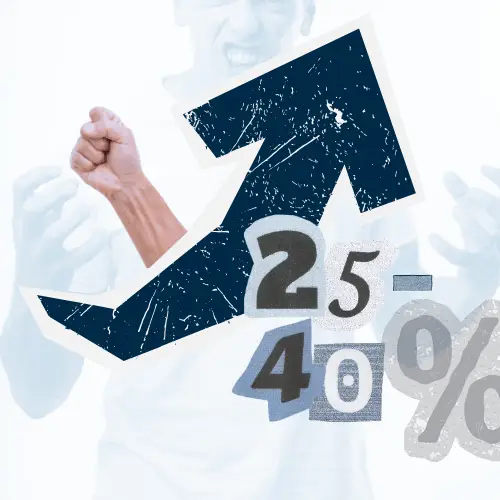
~25% increase in threats or injuries to women on local match days³
Soccer fervor in one of the sport’s most passionate countries comes with real harm in homes. The intensity that fuels the beautiful game can boil over dangerously.
15–16% average extra violence on U.S. game days across all sports⁴
Even conservative estimates show typical big games add roughly one-sixth more gender-based violence cases than ordinary days. In high-stakes or upset scenarios, the surge can double or triple.
Studies worldwide confirm what communities experience: major matches create windows of heightened danger.
Documented spikes in domestic and sexual violence against women during gamedays⁵
Rise in violence reports, including domestic and gender-based violence, on major game days globally⁶
Almost double the rate of their male counterparts (12%). The pipeline to professional football carries trauma that starts young.
While clubs acknowledge the problem publicly, none have implemented comprehensive, lasting solutions designed specifically to protect and empower their fans and local communities.
Every major sporting event puts local communities on high alert. Experts brace for surges in gender-based violence incidents. It’s not just police or shelters that need to act—sports organizations, sponsors, and fan groups can no longer ignore this pattern.
Women control $31.8 trillion in worldwide spending and influence 70–80% of all consumer purchases.¹² Yet 38% cite safety concerns as their main barrier to attending matches.⁸
LGBTQ+ fans represent a $320 billion global travel market, spending 23% more per experience than average travelers.¹³ When venues don’t feel safe, they route that premium spend elsewhere.
Multicultural fans (Latino, Black, Asian) spend 15–50% more on sports annually and are 30–40% more likely to buy from sponsors who show up for them.¹⁴ Harassment pushes away your fastest-growing, highest-conversion customers.
Conservative estimates show clubs lose 10–20% potential revenue uplift per fan from segments that are growing fastest, spending more, and measurably more loyal to brands that protect them.¹⁵ To put it bluntly,
Fan and community-based initiatives have been shown to cut match-day violence 15–25% inside and outside the stadium, according to Brazil and UK pilot data.¹¹
The opportunity—and responsibility—is clear: We must turn crowd passion into a force for safety, not harm.
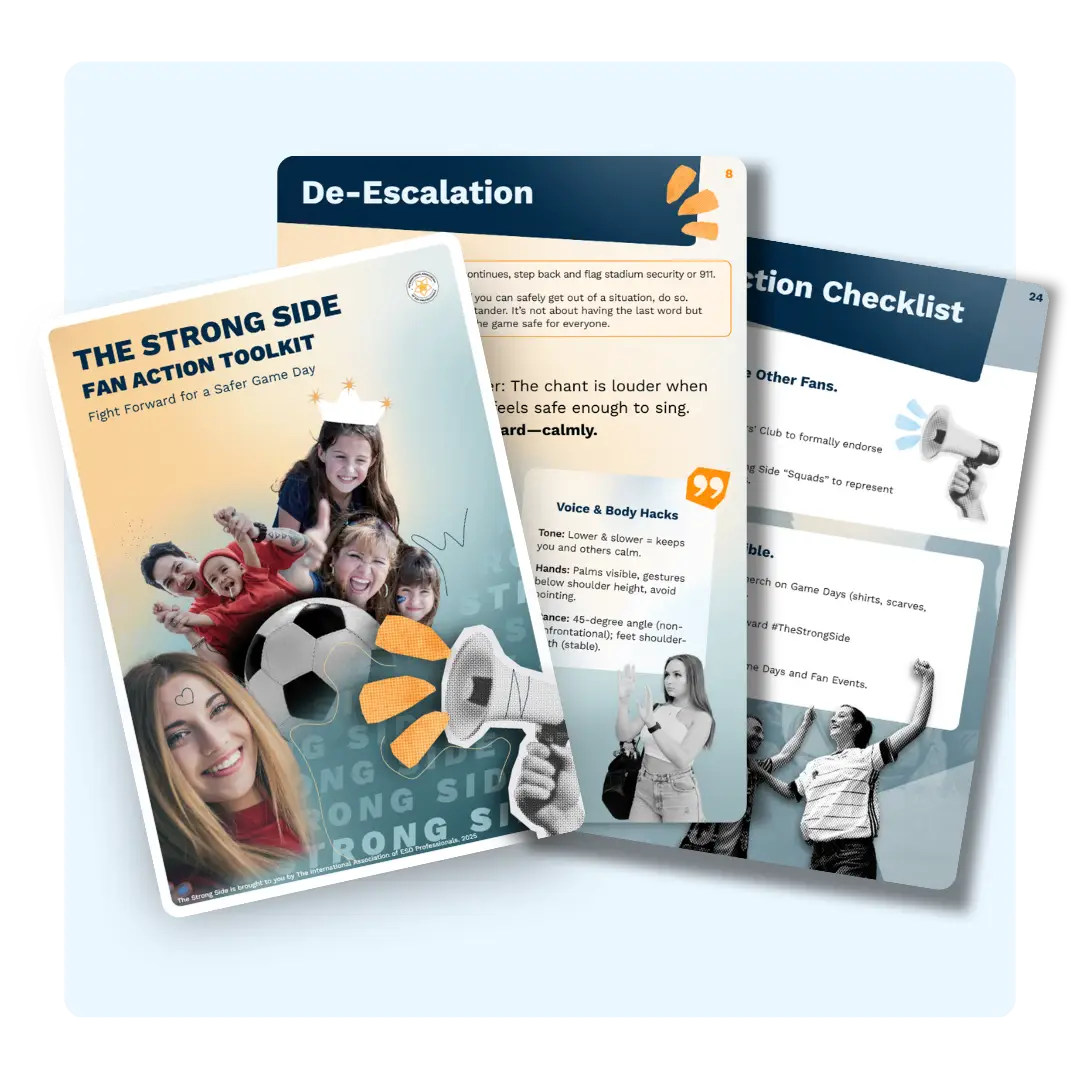
The Strong Side partners with football clubs worldwide to transform fan culture through Empowerment Self-Defense (ESD) training, creating safer stadiums and stronger communities.
Because football should unite us—not divide us through violence.
#FightForward to #EndGameDayViolence
THE STRONG SIDE is proud to meet
6 UN Susutainable Development Goals
The Strong Side is a trademark of the International Association of ESD Professionals.